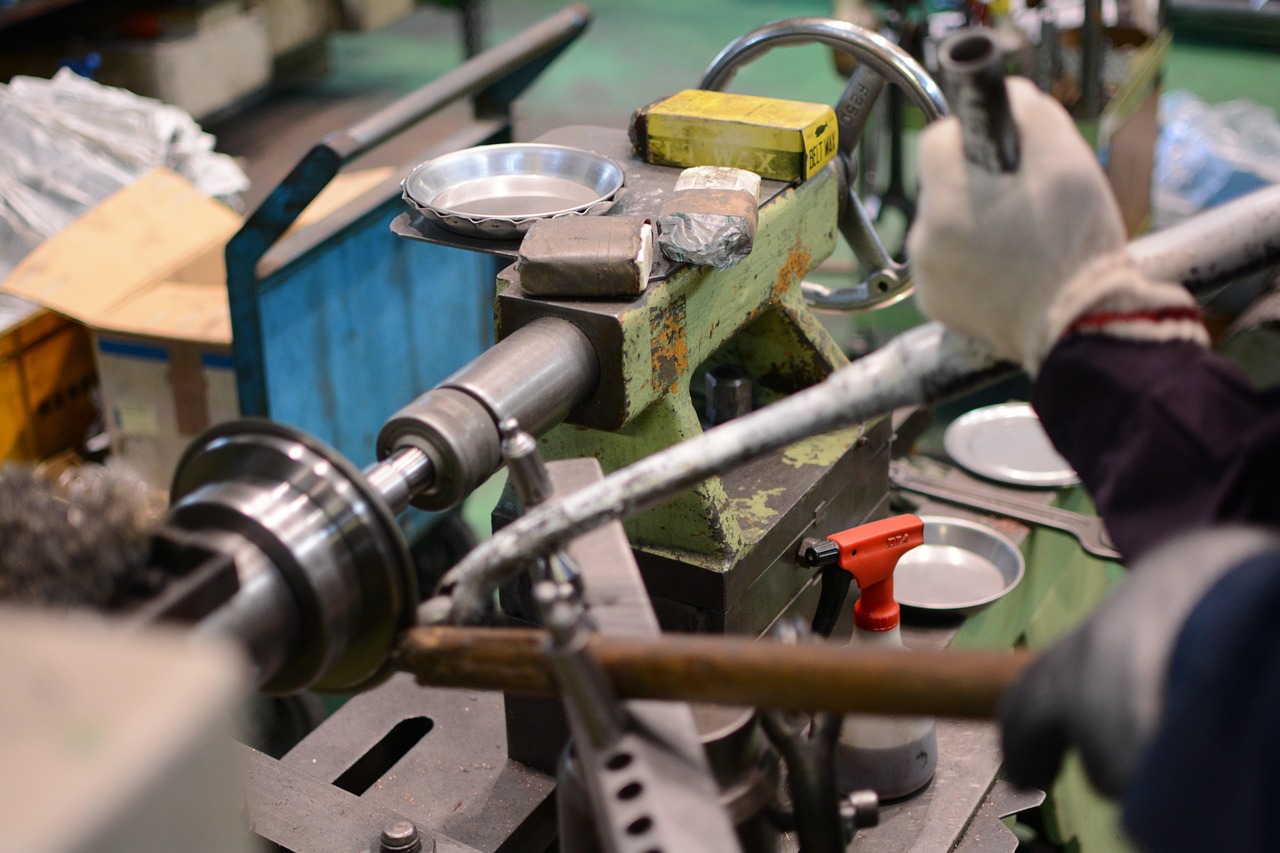
In the realm of manufacturing, Defect Reduction Strategies for Manufacturing (Six Sigma) are not just a best practice—they're a critical differentiator. With ever-increasing competition and consumer expectations, maintaining product quality is no longer an option but a necessity. High defect rates not only impact production efficiency but also erode customer trust and brand reputation. This article delves into the data-driven approaches that have transformed manufacturing processes, enabling significant improvements in product quality and lowering defect rates through proven Six Sigma methodologies. By the end, you'll grasp how these strategies can be implemented to foster a culture of continuous improvement within your organization.
- Unlocking Quality: Data Analysis for Defect Reduction Strategies
- Implement Six Sigma: Systemic Approaches to Lower Defect Rates
- Continuous Improvement: Best Practices for Sustainable Defect Reduction
Unlocking Quality: Data Analysis for Defect Reduction Strategies
In the pursuit of excellence in manufacturing, reducing defect rates and improving product quality are paramount objectives. Unlocking the power of data analysis offers a strategic advantage, enabling manufacturers to employ effective defect reduction strategies for manufacturing (Six Sigma) that transcend traditional methods. This approach leverages data-driven decision-making as a cornerstone for identifying root causes, implementing corrective actions, and preventing recurring issues—a key differentiator in achieving lean principles for defect-free manufacturing.
Best practices for reducing manufacturing errors involve a holistic view of the production process, from raw material procurement to final quality control. By integrating data analysis at each stage, manufacturers can uncover hidden patterns and anomalies that contribute to defects. For instance, historical production data, coupled with real-time monitoring, may reveal correlations between specific machine settings or operator assignments and increased defect rates. This insight enables data-driven adjustments, such as optimizing equipment parameters or refining training programs for operators, ultimately leading to consistent quality improvements.
Beyond identifying issues, leveraging data-driven decision-making for defects empowers proactive strategies. Predictive analytics can forecast potential problems before they occur, allowing manufacturers to implement preventive measures. Consider a scenario where historical data indicates a tendency for defects in a particular batch of materials. Proactive intervention could involve stricter quality checks on incoming supplies or implementing specialized inspection routines for that specific material type. This proactive approach not only minimizes the occurrence of defects but also fosters a culture of continuous improvement within manufacturing operations.
For manufacturers seeking to enhance their defect reduction capabilities, visiting us at best tools for defect detection in production can provide access to cutting-edge resources and expert guidance. Our platform offers comprehensive solutions tailored to various industries, ensuring that manufacturers can implement the most suitable data analysis techniques for their unique needs. By combining these advanced tools with a deep understanding of defect reduction strategies, organizations can strive for excellence, delivering high-quality products while maintaining competitive edges in today's dynamic market.
Implement Six Sigma: Systemic Approaches to Lower Defect Rates
Implementing Six Sigma is a powerful strategy to significantly lower defect rates and enhance product quality within manufacturing processes. This data-driven approach focuses on identifying and eliminating the root causes of defects, ensuring consistent production excellence. By employing statistical methods in defect reduction, such as those offered by Six Sigma, companies can optimize their assembly lines, minimizing flaws and improving overall efficiency.
The core principle lies in understanding that defect prevention is more effective than correction. Through rigorous data analysis, manufacturers can pinpoint problem areas early on. For instance, examining production trends reveals specific stages where defects consistently occur. Armed with this knowledge, teams can implement targeted improvements. One successful method involves redesigning work processes to reduce human error and enhance clarity among workers. Additionally, utilizing advanced quality control measures, like automated inspection systems, can catch subtle flaws that traditional methods might miss.
Defect reduction strategies for manufacturing should not be isolated efforts but integrated into the company's culture. Encouraging a mindset of continuous improvement fosters innovation in problem-solving. Regular training sessions on Six Sigma techniques and defect prevention methods ensure all employees understand their role in quality control. When implemented correctly, these systemic approaches can lead to remarkable results—a 20% reduction in defects over six months is not uncommon. Give us a call at [your brand/NAP] to discuss how we can help you leverage statistical methods in defect reduction for tangible improvements in your manufacturing processes.
Continuous Improvement: Best Practices for Sustainable Defect Reduction
Continuous Improvement is the cornerstone of sustainable defect reduction. Effective defect control strategies, such as Six Sigma techniques for quality control, transform manufacturing processes by identifying and eliminating the root causes of defects. This data-driven approach, rooted in statistical analysis, has proven to deliver remarkable results in numerous industries. By implementing Six Sigma for defect control, manufacturers can achieve significant cost savings—up to 30% according to some studies—through reduced scrap, rework, and customer returns.
The success of defect reduction strategies, like Six Sigma, hinges on a structured and systematic approach. It begins with defining clear goals and identifying key performance indicators (KPIs). For instance, a manufacturing plant might aim to reduce defects per unit by 75% over a six-month period. Once goals are set, a comprehensive analysis of the current state, using tools like Value Stream Mapping, allows for the identification of problem areas. This is followed by the development of targeted solutions using Six Sigma techniques, such as Define, Measure, Analyze, Improve, and Control (DMAIC), to implement changes and monitor results.
Regular monitoring and data-driven adjustments are vital. Continuous improvement ensures that the manufacturing process evolves with market demands and technological advancements. For instance, implementing automated quality control systems in conjunction with Six Sigma techniques can further enhance defect reduction efforts. By integrating advanced data analytics, manufacturers can predict potential issues before they occur, enabling proactive measures. This proactive approach, combined with the structured problem-solving methodology of Six Sigma, fosters a culture of quality and drives sustained defect reduction.
Consider visiting us at defining six sigma goals for manufacturing to explore tailored strategies for your operations. Embrace these best practices and you'll not only lower defect rates and improve product quality but also pave the way for increased efficiency, reduced waste, and substantial cost savings.
By leveraging data-driven solutions and implementing robust defect reduction strategies like Six Sigma, manufacturers can achieve significant improvements in product quality. The key takeaways from this article underscore the importance of systemic approaches, continuous improvement practices, and a focus on data analysis for identifying and rectifying defects. By adopting these best practices, organizations can not only lower defect rates but also foster a culture of excellence that drives sustainable growth and competitiveness in today's manufacturing landscape. These strategies are proven to be game-changers, enabling companies to deliver higher-quality products while enhancing customer satisfaction and market position.
Manufacturers can significantly improve defect rates and product quality through data-driven Defect Reduction Strategies for Manufacturing (Six Sigma). This approach leverages statistical analysis to identify root causes, implement corrective actions, and prevent recurring issues. Best practices include a holistic view of production, leveraging historical and real-time data, and adopting proactive strategies like predictive analytics. Six Sigma techniques, such as DMAIC, help set goals, analyze current state, develop solutions, and monitor results. Regular monitoring and data-driven adjustments ensure continuous improvement, leading to cost savings, increased efficiency, and reduced waste.